AI-driven analytics is reshaping how businesses map out, measure, and improve digital marketing campaigns. For companies in Buffalo, NY and across Western New York, the shift matters especially because local competition is fierce, customer intent changes by season, and regional buying behavior is not always easy to predict with standard reporting alone. With the right mix of automation, insights, and measurement, businesses can connect web design, seo services, digital marketing, ai experts to performance that actually move the business forward.
Instead of waiting until a campaign ends to review results, AI powered analytics helps marketers spot patterns in real time. That means better forecasting, faster optimization, and more efficient use of budget. For teams working with AI specialists, the goal is not just to collect more data. It is to map the customer journey, improve engagement, and make better decisions across every funnel stage.
What Artificial Intelligence Powered Analytics Signifies for online marketing
Artificial intelligence analytics leverages machine learning and forecasting analysis to analyze large sets of campaign data and spot patterns that humans may miss. In digital marketing campaigns, that can include search behavior, in-site interaction, ad engagement, conversion paths, and lead quality signals. The result is a more data-focused approach to performance tracking and optimization.
Standard reporting often shows what happened. AI powered analytics goes further by helping marketers understand the reason why it happened and what is likely to happen next. It can predict changes in campaign performance, identify shifts in intent, and surface opportunities for personalization. This is highly useful when multiple channels are running at once and the customer journey spans organic traffic, paid listings, paid social, and email.
For example, learning models can analyze patterns in click-through rate, bounce behavior, and form submissions to determine which audiences are more likely to convert. That enables marketers to adjust messaging, optimize landing pages, and focus on the channels producing the highest return on ad spend.
Why Buffalo Businesses Require More Intelligent Marketing Insights
Buffalo businesses operate in a market driven by regional competition, neighborhood-level search behavior, and seasonal swings that affect demand. A roofing company, HVAC provider, medical practice, restaurant, or law firm all face different traffic patterns depending on weather, event calendars, and consumer urgency. In Western New York, those shifts can be substantial enough to change campaign results from one month to the next.
AI powered analytics helps local businesses respond faster. During winter, for instance, service-based companies may see a surge in emergency calls, while other industries may experience slower lead flow. AI can help identify those trends early by looking at historical patterns, search interest, and conversion signals. That gives teams more control over budget allocation and message timing.
Local competition also makes benchmarking important. In a city like Buffalo, a business may compete not just with citywide brands but with other companies in Amherst, North Buffalo, Downtown Buffalo, and nearby communities. AI analysis can reveal which segments are responding to your web design, seo services, digital marketing, ai experts, and offers, so you are not guessing where to focus.
How Artificial Intelligence Strengthens web design, seo services, digital marketing, ai experts
Artificial Intelligence can enhance web design by identifying where users leave, which page layouts increase engagement, and what content structure supports better conversion rate optimization. If a landing page gets traffic but does not produce leads, AI-powered testing can surface issues in messaging hierarchy, page speed, form placement, or mobile usability.
For SEO services, Artificial Intelligence helps discover search patterns, content gaps, and intent signals that enable better rankings and stronger organic performance. It can study which topics bring qualified traffic, how users move through pages, and which keywords lead to meaningful engagement. That is useful for companies that want SEO services tied to business outcomes, not just visibility.
Paid search also gains from AI because bid strategies, ad copy, and audience targeting can be adjusted based on performance trends. Machine learning can spot which ads attract higher-quality leads and which placements waste spend. This makes it easier to improve return on ad spend while preserving efficiency across campaigns.
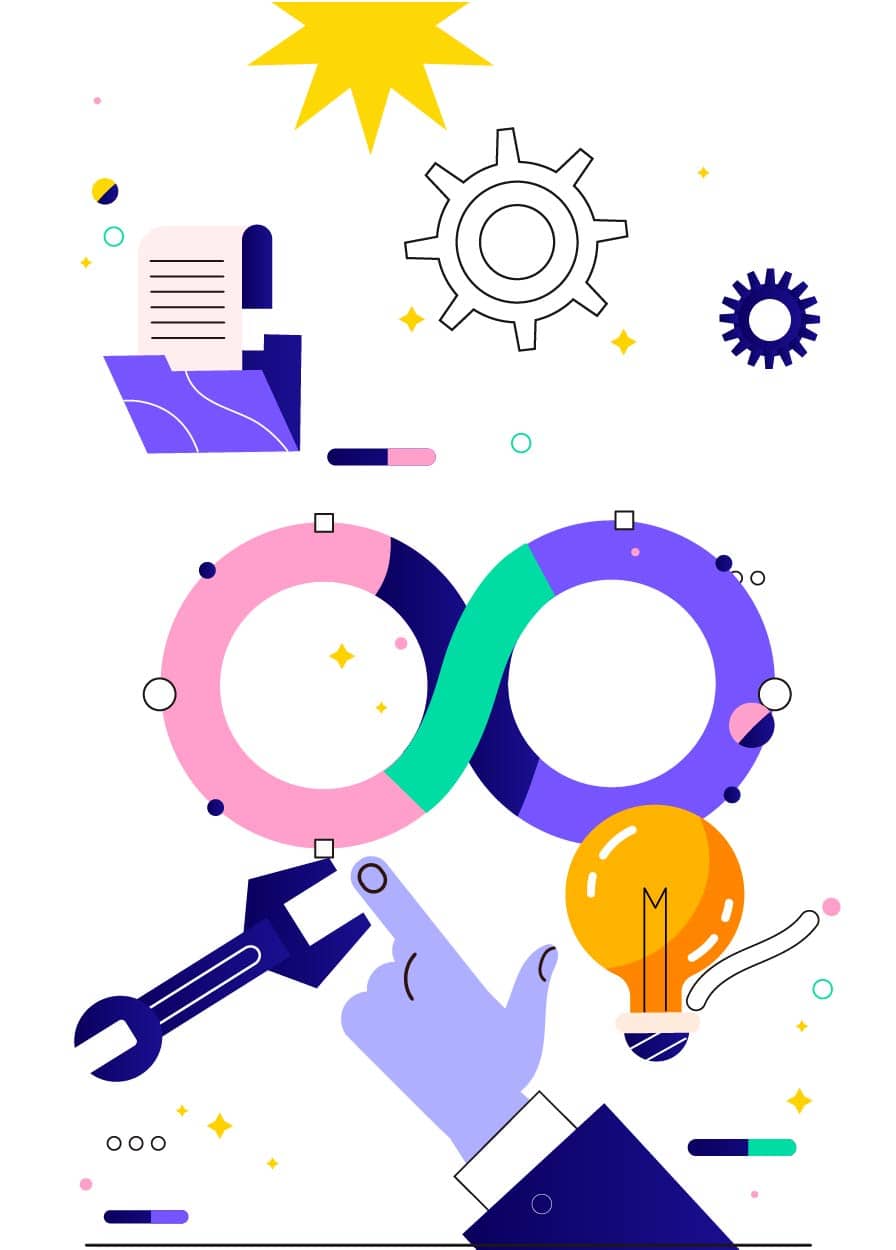
When web design, seo services, digital marketing, ai experts work together, Artificial Intelligence can link the dots. A redesign may enhance conversion rate optimization, organic content may support earlier funnel engagement, and paid campaigns may attract high-intent traffic. AI powered analytics makes that integration clearer and easier to manage.
Important Metrics AI Helps Track Across Your Marketing Channels
One key advantage of AI-driven analytics is its ability to combine measurement across all channels. Instead of treating each platform as a standalone silo, AI can link data from search channels, web analytics, CRM systems, and ad platforms to illustrate how users progress through the customer journey.
Attribution modeling is especially important because many conversions do not happen after a single click. A user may first discover your brand through an organic blog post, return through paid search, and then convert after seeing a remarketing ad. AI-supported attribution modeling https://oswego-ny-ze738.quantlynix.com/posts/mobile-first-site-design-that-delivers-local-seo-success-in-buffalo helps distribute credit more accurately across those touchpoints.
Other important metrics include:
- Click rate to measure how well ads, search snippets, and email messages attract attention. Return on ad spend to see whether paid campaigns are producing profitable outcomes. Customer path signals to analyze how users move from awareness to conversion. Lead quality to determine whether forms and calls are generating prospects that match your ideal customer profile.
These metrics matter because they support better benchmarking and measurement. AI can look for shifts in performance trends before those shifts become expensive problems. If click-through rate drops or lead quality declines, marketers can investigate the cause quickly and make adjustments.
Ways to Use for AI Experts in Campaign Optimization
AI experts add structure to campaign optimization by translating data into action. They help businesses use audience segmentation, budget allocation, and A/B testing in ways that deliver measurable gains. Instead of relying on broad assumptions, teams can compare specific variables and use machine learning to interpret the results faster.
Audience segmentation is one of the most practical use cases. AI can categorize users by intent, behavior, geography, or engagement history. That makes it easier to create personalized messaging for people in different stages of the sales funnel. A user who visited a service page twice may need a different message than someone who only read a blog post.
Budget allocation also becomes smarter with AI. If one campaign produces better lead quality than another, AI can shift spend toward the stronger source. That improves efficiency and reduces wasted budget across digital marketing campaigns. In A/B testing, AI can help identify which headlines, layouts, or calls to action outperform the alternatives more quickly, so optimization happens with less guesswork.
For businesses that want scalable growth, this kind of automation is valuable. It lets marketing teams focus on strategy while AI handles pattern detection, forecasting, and performance analysis.
Applying AI analysis to Local Buffalo Marketing approaches
Neighborhood search behavior in Buffalo neighborhoods can differ far more than many businesses realize. A user in Downtown Buffalo may search in a different way from someone in North Buffalo or Amherst, even when both need the same service. Artificial intelligence-powered analytics can segment these differences and identify which neighborhoods or nearby areas respond best to certain messages, offers, or landing pages.
This is important for businesses targeting a regional audience across Western New York. For example, a home services company may find that leads from Amherst convert to one offer while Buffalo city neighborhoods respond to another. AI can help identify those signals through conversion data, call tracking, and user engagement patterns.
Seasonal demand is another major factor. In Buffalo, winter-driven demand shifts can affect all kinds of emergency repairs to indoor service requests. Event-based traffic changes also matter, particularly for hospitality, entertainment, and retail businesses near major local activity. AI can predict these patterns using historical performance, search volume trends, and real-time signals so campaigns stay aligned with demand.
Consider a Buffalo business running a spring promotion for consultations. AI might show that mobile users from North Buffalo are more inclined to submit forms after visiting a service page, while users from Amherst prefer to call. That insight can influence web design, call-to-action placement, and paid search targeting. The result is more leads, extra calls, and better form submissions.
Tools, Data Sources, and Best Practices
To get useful results from AI powered analytics, businesses need the right mix of systems and reliable data inputs. Marketing dashboards are often the starting point because they bring multiple success measures into one place. They can combine website traffic, paid search activity, conversion metrics, and CRM data so teams can assess performance without jumping between systems.
First-party data is especially important. This includes information collected directly from your website, forms, calls, email interactions, and customer records. Because it comes from your own audience, first-party data is usually more accurate and more useful for grouping, tailoring, and forecasting than broad third-party assumptions.
Analytics platforms can support deeper measurement by tracking behavior across pages, campaigns, and devices. When paired with AI, they help marketers detect patterns in engagement and performance faster. Best practices include:
- Defining clear conversion goals before collecting data. Keeping naming conventions consistent across campaigns. Linking web analytics with CRM and ad platform data. Monitoring data quality regularly to avoid bad signals. Using benchmarking to compare current performance with prior periods.
Good tools do not replace strategy, but they do make strategy more effective. With the right dashboards and analytics platforms, teams can turn raw numbers into action.
How to Measure Success and Keep Improving
Success with AI powered analytics comes from ongoing KPI tracking, not one-time reporting. Businesses should monitor how changes in web design, SEO services, and paid campaigns affect lead quality, conversion rates, and sales funnel progression. This makes it easier to see whether optimization efforts are producing actual business outcomes.
Start by defining the metrics that matter most. For some companies, that may be phone calls and booked appointments. For others, it may be qualified demo requests or online purchases. The key is to measure results in a way that reflects revenue, not just traffic.
AI can help detect which customer touchpoints play the biggest role to conversions and where the funnel drops off. If users are visiting the website but not moving forward, the issue may be page relevance, form friction, or mismatched intent. If lead volume is robust but lead quality is low, the problem may be audience segmentation or message targeting.
Progress should be constant. Evaluate campaign performance, test new ideas with A/B testing, and use AI insights to guide changes. Over time, that creates a leaner system for digital marketing campaigns and a better understanding of what drives success.
For Buffalo, NY businesses, the real value of AI powered analytics is not just more data. It is better decisions that improve performance across the full customer journey.
FAQs About AI Powered Analytics for Campaigns
Sunstone Digital Tech50 Fountain Plz #1400, Buffalo, NY 14202
(315) 758-3349
https://maps.app.goo.gl/y9HMhvcoPCh9V3eKA
https://sunstonedigitaltech.com/buffalo-marketing-agency/web-design
42.8898193, -78.8738661
What is AI powered analytics for digital marketing campaigns?
AI powered analytics is the use of machine learning, predictive analytics, and automation to examine campaign data and improve strategic decisions. It helps marketers assess performance, forecast results, and optimize digital marketing campaigns across channels.
How can AI improve SEO services and web design results?
AI can spot search patterns, content gaps, and user behavior that improve SEO services. It can also analyze how people interact with web design elements, helping teams boost conversion rate optimization, engagement, and overall site performance.
What metrics should Buffalo businesses track with AI analytics?
Buffalo businesses should focus on KPI tracking for click-through rate, return on ad spend, lead quality, and customer journey performance. These metrics show how well campaigns are working and where improvements can be made.
Do AI experts help with local lead generation in Buffalo, NY?
Yes. AI experts can help Buffalo, NY companies improve local search visibility, refine audience segmentation, and optimize paid search and web design to generate more qualified leads, calls, and form submissions.
Which tools work best for using AI in campaign optimization?
The most effective tools usually include marketing dashboards, data analysis platforms, and systems for collecting first-party data. Such tools provide teams the analytics foundation needed to apply AI insights successfully and improve business outcomes.